


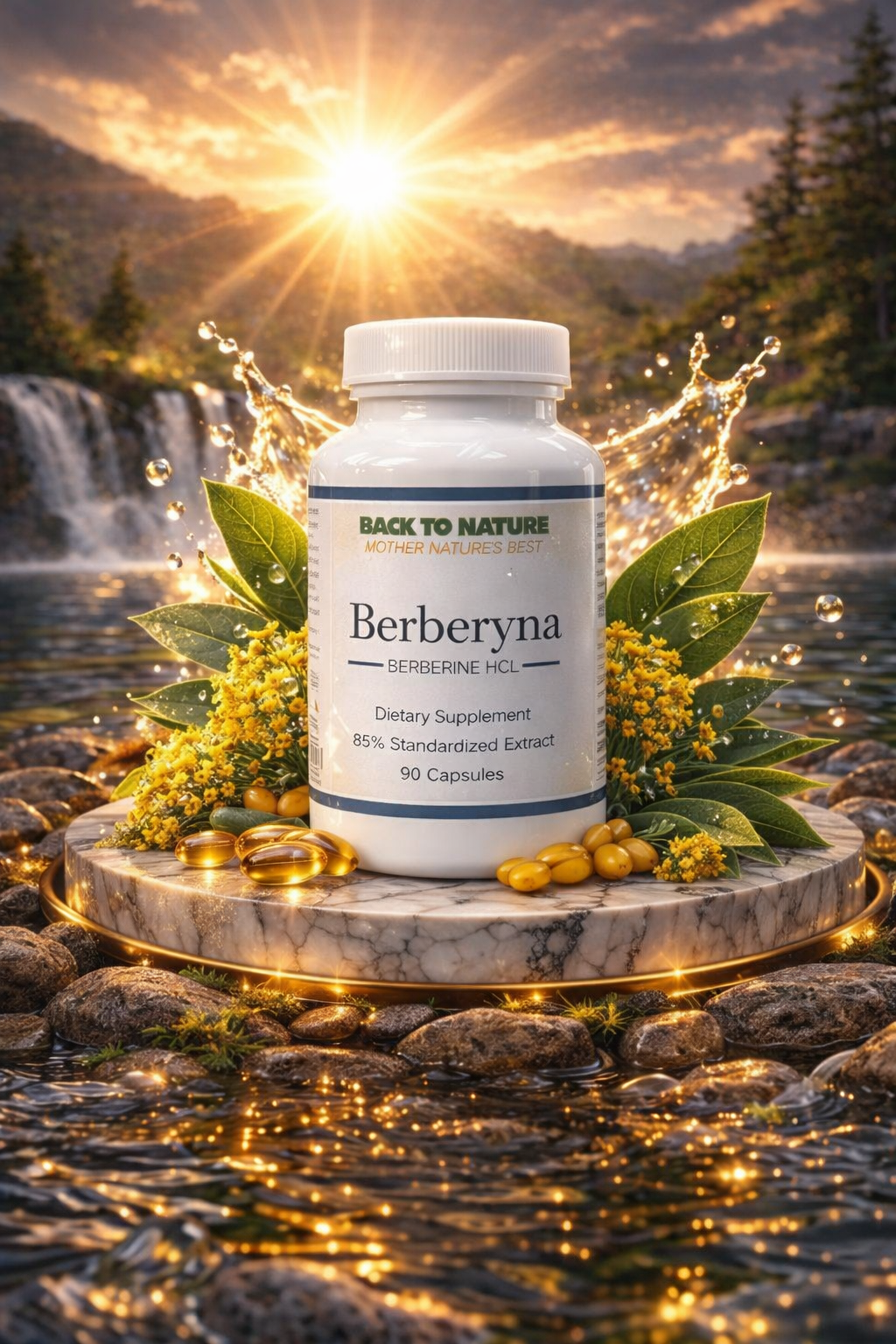

Berberyna, a bright yellow extract found in a number of plants such as Oregon grapes, Goldenseal, Yellow root, Amur cork tree, and Chinese goldthread. Taking this plant extract can protect your heart and cardiovascular system, help prevent deadly brain conditions such as Alzheimer’s and Parkinson’s, and even fight most types of cancer. It truly is an incredible compound that you need to know about.
Berberine: An Extraordinary Compound Supporting a Longer and Healthier Life
According to Dr. Blaylock’s report
I spend a great deal of time researching plant extracts and other natural compounds that offer significant health benefits. From time to time, I encounter a compound so remarkable that I cannot wait to share my findings with readers.
In this report, I will tell you about one such extraordinary compound called berberine. It is a bright yellow extract found in many plants, such as barberry, Oregon grape, goldenseal, yellow root, cork tree, and Chinese goldthread.
This plant extract may protect the heart and cardiovascular system, help prevent deadly brain diseases such as Alzheimer’s and Parkinson’s, and may even fight most types of cancer. It truly is an amazing compound worth knowing about.
Berberine – A Natural Rescue for the Heart
Unlike many plant compounds, berberine is well absorbed when taken orally. It is then rapidly metabolized into related compounds, which may be even more beneficial and effective than berberine itself. These metabolites are produced in the liver.
Berberine has been used in traditional Chinese medicine for thousands of years with few side effects and is now available over the counter as a pure supplement. In recent decades, this remarkable compound has been the subject of intensive research worldwide.
Recent studies have shown that berberine may significantly improve overall heart function and may also be used by individuals suffering from conditions such as congestive heart failure, as well as reduce damage after a heart attack.
One of the consequences of a heart attack is that heart cells are damaged by a wave of free radicals and lipid peroxidation products resulting from blocked blood flow. This damage can lead not only to inefficient heart pumping but also to irregular heartbeats known as arrhythmias. In fact, most deaths following a heart attack are caused by heart rhythm disturbances.
Animal studies using heart attack models have shown that berberine may significantly reduce heart damage and strongly inhibit arrhythmias.
Other studies have demonstrated that berberine may counteract pathological processes that occur after a heart attack. These processes include left ventricular dysfunction and calcium leakage from heart cells—both of which may lead to heart failure.
One factor that damages heart cells after a heart attack is excessive sympathetic nervous system activity in the heart, primarily caused by a surge of norepinephrine, a neurotransmitter associated with this system.
One study showed that berberine may significantly inhibit heart damage caused by excessive norepinephrine. Sympathetic neurotransmitters are elevated in both the blood and heart muscle of individuals suffering a heart attack. This increases the likelihood of arrhythmias, which may lead to progressive pathological damage to the heart muscle.
In one animal study, berberine was shown to lower sympathetic neurotransmitter levels in both blood and heart tissue and provide significant protection against congestive heart failure.
I have previously written about balancing the sympathetic and parasympathetic nervous system signals to the heart. Berberine helps restore this balance by increasing cholinergic (parasympathetic) receptors on heart cells.
One of the most deadly arrhythmias is ventricular fibrillation. Berberine has been shown to reduce the risk of rhythm disturbances.
Additionally, berberine improves the strength of heart contractions and reduces the excitability of cardiac nerves and muscle tissue. In this way, it may help protect against fatal complications following a heart attack.
Human Studies
Several studies involving berberine have also been conducted in humans.
In one study, 156 patients with congestive heart failure were examined. Another 90 individuals with abnormal heart rhythms—such as premature ventricular contractions (VPCs) and sustained tachycardia (faster-than-normal resting heart rate)—were also studied.
All patients received conventional treatment, and one group additionally received 1.2 to 2 grams of berberine daily for eight weeks.
Patients who took berberine showed:
-
significantly improved left ventricular function (heart pumping strength),
-
improvement in symptoms of shortness of breath,
-
reduction in VPCs,
-
and a significant reduction in mortality during long-term follow-up.
They experienced no significant side effects, and a notable improvement in quality of life was reported.
In another study of 130 patients with acute coronary syndrome, researchers closely examined various biochemical parameters. Patients who received berberine showed significant reductions in markers associated with heart damage during heart attack.
Particularly interesting findings indicate that berberine lowers LDL cholesterol to a greater extent than total cholesterol, does not lower HDL cholesterol, and significantly reduces triglycerides. As in other studies, no side effects were observed.
BERBERINE Supplement
Contains Berberine HCl
90 capsules, 400 mg
(Standardized extract 85%)
The effects of berberine appear truly impressive and very broad.
Its main applications include:
-
antibacterial activity
-
anti-protozoal activity
-
prevention of diarrhea
-
support against hypertension and diabetes
-
anti-cancer prevention
In Which Conditions May Berberine Be Helpful?
(Dr. Julian Whitaker)
-
Brain health
-
Diabetes
-
Heart disease
-
High cholesterol
-
Hypertension (high blood pressure)
-
Weak immune system
-
Intestinal infections
-
Joint discomfort
-
Low bone density
-
Weight control

Reviews
There are no reviews yet.